
AirAsia Philippines is under pressure from regulators after the Civil Aviation Authority of the Philippines (CAAP) issued a final demand for the airline to settle more than ₱833 million in unpaid dues—or risk losing key operating privileges.
In a letter sent to AirAsia Philippines president Suresh Bangah, CAAP gave the carrier five days to pay its outstanding obligations, warning that continued noncompliance could lead to the suspension of licenses, airport access, and other operational clearances.
The unpaid balance includes air navigation, landing, and parking fees, as well as unremitted domestic passenger service charges (DPSC) collected from travelers. According to CAAP, these charges are considered trust funds that must be turned over to the government.
“Despite repeated demands and reconciliation meetings, these obligations remain unsettled,” the agency said, calling the situation a “serious concern.”
Mounting Debt and Growing Tensions
An industry insider revealed that the debt has accumulated over several years, despite earlier attempts by CAAP to allow staggered payments. With interest included, the total amount owed could exceed ₱1 billion.
The timing of the dispute has raised concerns about potential disruptions during the busy Holy Week travel period. Regulators are reportedly exploring “calibrated measures” to avoid inconveniencing passengers while still enforcing compliance.
Potential Consequences
If AirAsia fails to meet the deadline, CAAP may impose sanctions such as withholding services, suspending permits, or revoking access to CAAP-managed airports. The agency also reserves the right to pursue legal action to recover the unpaid amounts, including penalties and interest.
The issue comes as airlines worldwide grapple with rising fuel costs linked to geopolitical tensions, adding further strain to the aviation sector’s post-pandemic recovery.
Leadership and Operations
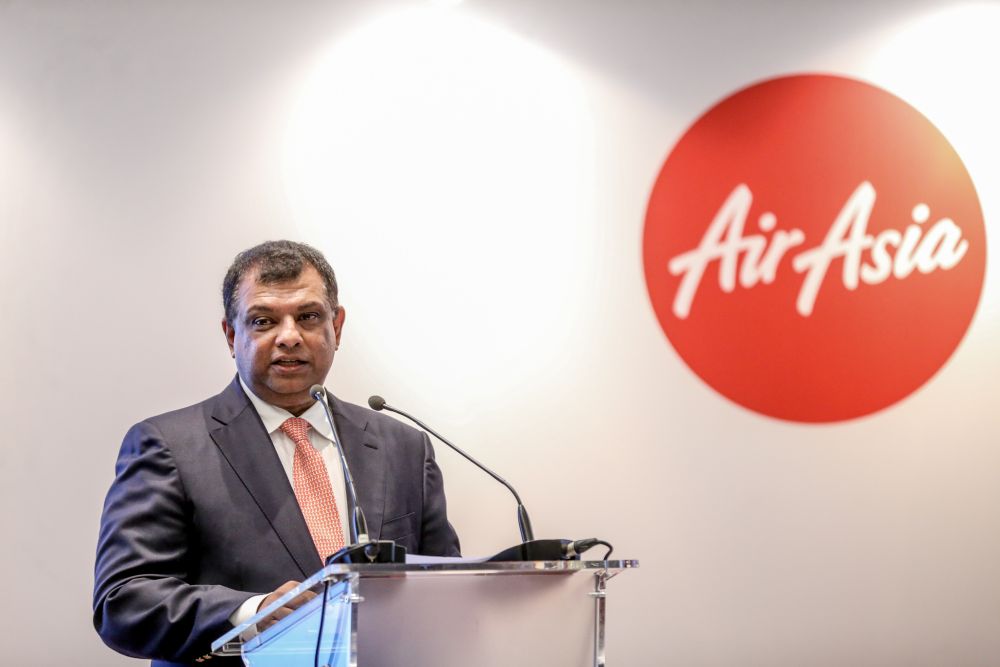
AirAsia Philippines, part of the Malaysia-based AirAsia Group led by Tony Fernandes, is one of the country’s top three carriers alongside Cebu Pacific and Philippine Airlines. The company operates 15 Airbus A320 aircraft across domestic and international routes.
Suresh Bangah, who took over as president and general manager in mid-2025, now faces one of his biggest challenges yet—resolving the financial dispute before it disrupts operations or damages the airline’s reputation.